

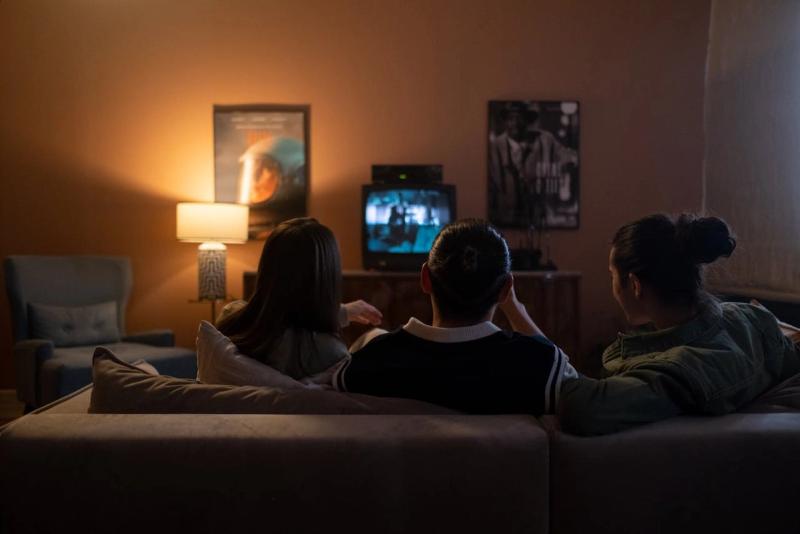
Love it or hate it, reality TV isn’t going anywhere. From dating shows to survival competitions to home makeovers, reality TV grips millions every night. Some watch for the drama, others for the humor, and many for the guilty pleasure of peeking into lives that aren’t their own. But why are we so drawn to it? It’s not just about entertainment. Reality TV taps into basic human instincts, such as curiosity, competition, empathy, and even a hint of voyeurism.
Curiosity About Human Behavior
At its core, reality TV lets us observe people. We see how strangers react under pressure, how relationships unfold, how conflict escalates, and how alliances form. It’s human behavior on display, and our brains are wired to pay attention. Psychologists call this social learning. By watching others, we learn what works and what doesn’t. Reality TV offers endless scenarios to decode, from learning how to flirt on a dating show to navigating the challenges of surviving in a jungle. Even if we don’t copy the behavior, we process it.
The Drama of Conflict
Conflict is what makes stories interesting, and reality TV has plenty of it: arguments, rivalries, betrayals, and surprises. Witnessing these moments can evoke a range of emotions in us. We might pick a side or feel secondhand embarrassment, but either way, we get involved.This taps into the same brain pathways as suspense in a thriller movie. The difference? Reality TV tells us, "This is real." That sense of authenticity, even when it’s partly staged, makes the drama feel more powerful. This neural spike brings more intensity to the experience, blurring the line between entertainment and reality.
The Escape Factor
Reality TV also provides a break from our routine. When life feels the same day after day, these shows take us to new places, intense competitions, or wild lifestyles. We get to picture ourselves winning prizes, dating on a tropical island, or moving into a dream home.Escapism doesn’t just distract us. It relieves stress. For many, unwinding with a reality show at the end of the day is a mental reset.
Voyeurism Without the Guilt
We’re all curious about how other people live. Reality TV allows us to peek into private moments, messy breakups, and behind-the-scenes drama, all from a safe distance. We can watch without feeling guilty.This voyeuristic appeal explains why shows about everyday life, like following families, celebrities, or even strangers in mundane settings, draw steady audiences. We want to know how others live, love, and fail.
Relatability and Recognition
Oddly enough, amidst the glamour and chaos, reality TV feels relatable. We see people laugh, cry, argue, and celebrate. Their reactions mirror our own. Even when the situations are extreme, the emotions are universal. That recognition creates a connection. We might laugh at the absurdity, but deep down, we understand the feelings.
The Reward System in Our Brains
Reality TV also taps into the reward system in our brains. Every episode offers us small rewards, such as a big reveal, a dramatic exit, or a happy ending. These moments release dopamine, the same chemical that makes winning a game or scrolling online feel good.Cliffhangers and teasers amplify the effect. They keep us coming back, craving the next dose of drama.
The Paradox of “Real”
A big reason we watch is the promise that what we’re seeing is real. We know reality TV is edited and sometimes guided by producers, but it still feels more real than regular scripted shows. That mix of real and not-so-real keeps us interested.It’s like watching a performance that insists it’s reality. Our brains love the puzzle, even if we know we’re being played.
Why It’s Hard to Look Away
Reality TV combines a range of elements that capture our attention, including curiosity, emotions, escape, connection, and rewards. All of these make it tough to look away.We watch not just for the story, but to feel something, to compare ourselves, and to picture being part of it. Reality TV isn’t just something in the background. It reflects us, entertains us, and plays with how we think.
Conclusion: More Than a Guilty Pleasure
Some people call reality TV “mindless,” but it’s not that simple. It taps into basic instincts that shape how we learn, connect with others, and experience emotions.So next time you binge a season, remember you’re not just watching for fun. You’re tuning into a show that knows how our minds work as well as it entertains us.