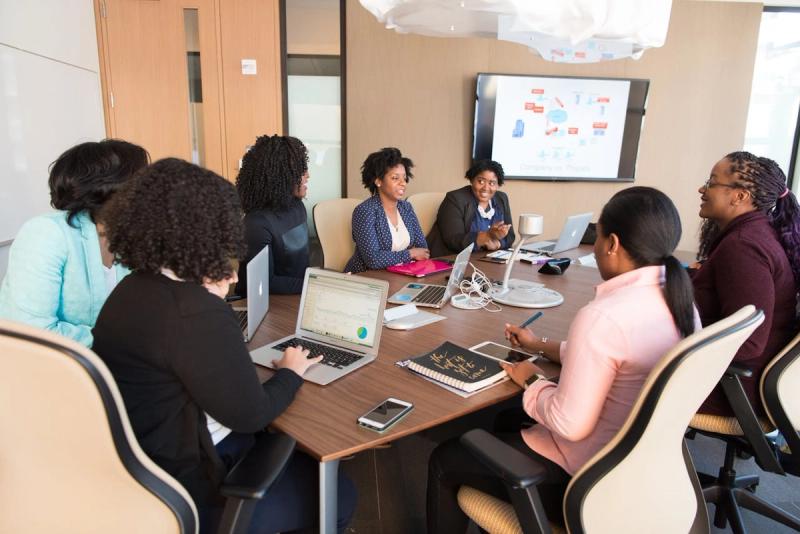
The Mentorship Evolution: Why Modern Women Need Different Types of Guidance
For generations, mentorship has been regarded as a cornerstone of professional development. A good mentor was seen as the guiding light, someone with more experience, wisdom, and authority who could help younger professionals navigate their careers. Traditionally, this mentorship model was one-directional: a senior leader advises a junior, passing down knowledge and connections.But the world has changed. Workplaces are no longer confined to rigid hierarchies. Technology, globalization, shifting career paths, and evolving social norms have transformed how professionals grow, learn, and succeed. For women, who often face unique challenges in their careers, leadership, and entrepreneurship, the traditional model of mentorship no longer fully suits them.Modern women need more than traditional mentorship. They benefit from diverse guidance, often from multiple sources, tailored to their specific goals, industries, and circumstances.This evolution isn’t about discarding traditional mentorship, but expanding it, reshaping it to reflect the realities of modern careers and the ambitions of modern women.