

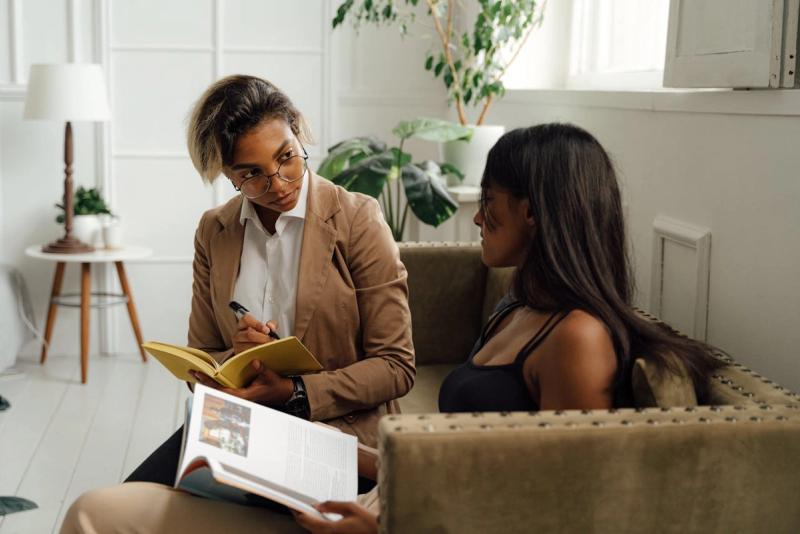
For generations, mentorship has been regarded as a cornerstone of professional development. A good mentor was seen as the guiding light, someone with more experience, wisdom, and authority who could help younger professionals navigate their careers. Traditionally, this mentorship model was one-directional: a senior leader advises a junior, passing down knowledge and connections.But the world has changed. Workplaces are no longer confined to rigid hierarchies. Technology, globalization, shifting career paths, and evolving social norms have transformed how professionals grow, learn, and succeed. For women, who often face unique challenges in their careers, leadership, and entrepreneurship, the traditional model of mentorship no longer fully suits them.Modern women need more than traditional mentorship. They benefit from diverse guidance, often from multiple sources, tailored to their specific goals, industries, and circumstances.This evolution isn’t about discarding traditional mentorship, but expanding it, reshaping it to reflect the realities of modern careers and the ambitions of modern women.
The Traditional Mentorship Model: Helpful but Limited
In the past, mentorship often involved pairing a junior employee with a senior colleague. The mentor shared career advice, made introductions, and occasionally provided advocacy. While this model was useful, it came with limitations, especially for women.
- Representation Gaps: In male-dominated industries, women often struggled to find senior female mentors who understood their unique challenges.
- One-Size-Fits-All: A single mentor couldn’t possibly meet all the needs of someone navigating not only career growth but also work-life balance, personal branding, or entrepreneurship.
- Static Relationships: Traditional mentorship often followed formal structures, leaving little room for adaptability or evolving needs.
The modern workplace and women’s roles within it demand more dynamic forms of support.
Why Modern Women Need a New Approach
Today’s women are wearing multiple hats. They are professionals, entrepreneurs, leaders, mothers, changemakers, and lifelong learners. Their ambitions extend beyond climbing a corporate ladder. They want to create impact, build businesses, manage finances, and design lives aligned with their values.That’s why a singular, outdated mentorship model is no longer enough. Modern women need different types of guidance that address:
- Diverse Career Paths – Careers are no longer linear; many shift industries, start side businesses, or pursue portfolio careers.
- Unique Challenges – From gender bias to pay gaps, women face barriers that require nuanced strategies.
- Work-Life Integration – Women are increasingly seeking balance, not just achievement.
- Global Opportunities – Digital platforms now allow women to connect with mentors worldwide.
This is the evolution of mentorship: moving beyond a single source of advice and embracing a spectrum of guidance.
Different Types of Mentorship Modern Women Need
1. Traditional Mentorship: The Foundation
Yes, the classic mentor-student relationship still matters. Having someone senior to share wisdom, point out blind spots, and provide career navigation remains invaluable. However, for women, this often means intentionally seeking mentors who understand the challenges of being female in professional settings, whether that involves negotiating salaries, addressing stereotypes, or stepping into leadership roles.
2. Peer Mentorship: Growing Together
Sometimes the best guidance doesn’t come from someone older but from someone walking a similar path. Peer mentorship enables women to share insights, encourage one another, and hold each other accountable for their progress.Peer mentorship fosters a professional network where women at similar career stages support one another’s growth, share resources, and celebrate milestones together.
3. Reverse Mentorship: Learning from the Younger Generation
Modern women are embracing reverse mentorship, where younger professionals mentor more experienced ones, often in areas like digital skills, cultural trends, or social media. For senior women leaders, this type of guidance keeps them connected to evolving industries and emerging perspectives.
4. Sponsor Mentorship: Advocacy in Action
While mentors provide guidance, sponsors actively advocate for women in decision-making settings such as boardrooms, leadership meetings, and investment pitches. Having a sponsor can be a key factor in being considered for new opportunities.
5. Group and Community Mentorship
Networking groups, mastermind circles, and women-led professional communities offer collective mentorship. Instead of relying on a single person, women tap into the wisdom of many. These communities not only offer guidance but also a sense of belonging, which is critical in industries where women remain underrepresented.
6. Virtual and Global Mentorship
Technology has expanded the definition of mentorship. Women can now access mentors across industries and continents through virtual platforms, online courses, and global networks. This opens up guidance that was once inaccessible due to geography or limited connections.
7. Personal Mentorship: Life Beyond Work
Not all mentorship is career-focused. Many women need guidance in areas such as managing personal finances, balancing family responsibilities, nurturing their mental health, or pursuing passion projects. A holistic mentorship approach recognizes that career success is deeply tied to personal well-being.
The Mentorship Evolution in Action: Examples
- Sheryl Sandberg (Former COO of Meta) openly credits both traditional mentors and sponsors for her rise in Silicon Valley. But she has also emphasized the power of peer support through initiatives like Lean In Circles.
- Whitney Wolfe Herd (Founder of Bumble) has shared how younger employees helped her better understand the digital generation, proof of reverse mentorship in practice.
- Indra Nooyi (Former CEO of PepsiCo) has spoken about how mentorship isn’t just about professional guidance but also about balancing life’s many roles.
These examples illustrate a more flexible and adaptive approach to mentorship that aligns with current professional needs.
Why Women Need Different Types of Guidance
The mentorship evolution isn’t just a trend. It’s a necessity. Here’s why:
- No Single Mentor Has All the Answers – Different stages of life and career require different perspectives.
- Women Face Unique Barriers – Having mentors who understand those realities makes advice more actionable.
- Collaboration Over Competition – Women Thrive in Ecosystems of Shared Knowledge and Support.
- The Future of Work is Nonlinear – Careers are no longer a straight climb; they’re lattices, requiring guidance from multiple directions.
How Modern Women Can Build a Mentorship Ecosystem
Rather than waiting for the ideal mentor, modern women can proactively build a network of guidance and support. Here’s how:
- Identify Your Needs: Do you need career advice, business strategy, or guidance on personal balance?
- Diversify Your Mentors: Seek different types of mentors, including traditional, peer, sponsor, and community mentors.
- Leverage Technology: Join virtual mentorship programs, online networks, or global mastermind groups.
- Give as Much as You Take: Mentorship is Not Just About Receiving it’s about creating a cycle of support.
- Stay Open to Evolution: Your mentorship needs will shift as your life and career evolve.
The Future of Mentorship: A Web, Not a Ladder
The old model of mentorship resembled a ladder, with one senior person pulling someone else up. The new model resembles a web, an interconnected network of guidance, support, and collaboration.This website allows women to:
- Access diverse perspectives.
- Adapt mentorship to changing goals.
- Build both professional and personal resilience.
It recognizes that success today depends not only on individual achievement but also on collective wisdom.
Final Thoughts
Mentorship is not disappearing. It’s evolving. For modern women, the shift is essential. Success today is about more than climbing titles; it’s about building meaningful careers, balancing life roles, and creating impact. To achieve this, women need various types of guidance, including that from peers, seniors, communities, and even those younger than themselves.The evolution of mentorship reflects modern life itself, a dynamic, interconnected, and ever-changing phenomenon. And as women embrace this evolution, they are not only shaping their own futures but also redefining what mentorship means for generations to come.Ultimately, guidance is not solely about reaching the top, but about navigating the journey with clarity, confidence, and a strong sense of community.