

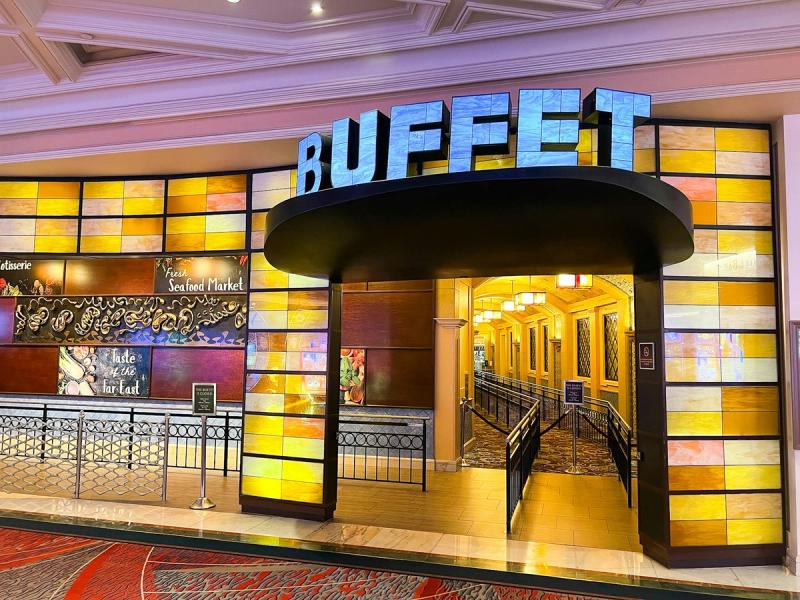
Walking into a Las Vegas buffet has always come with a certain feeling. You hear plates clinking, see endless food choices, and feel the excitement of getting your money’s worth. For years, this was a big part of the Vegas experience for millions. You’d arrive at a casino, pay a reasonable price, and spend hours piling your plate with prime rib, lobster, and tall stacks of desserts. It felt like beating the odds, just a little. But if you’ve been to Vegas lately, you’ve probably noticed things have changed. The classic, affordable all-you-can-eat buffets that once filled casino floors are mostly gone. Something new has taken its place. The story of the Vegas buffet now says a lot about how we travel, what matters to us, and how quickly our memories can clash with what’s real.
The Buffet That Built Las Vegas Dreams
Throughout much of the 20th century, Vegas buffets were a smart business move. Casinos knew that if they offered cheap food, people would stick around longer. The longer guests stayed, the more they spent on gambling and drinks. Buffets weren’t about generosity; they were about strategy.
This approach worked for years. Someone might spend fifty dollars on a buffet dinner, then spend hours at the blackjack table. The casino made a profit, and the guest felt like they got a great deal. Everyone walked away happy.
But things changed after the pandemic. When casinos closed and reopened, the old formula no longer worked. Labor costs went up. Ingredients became more expensive due to supply chain issues. The types of visitors coming to Vegas also started to change. One by one, casinos decided the cheap buffet was gone for good.
What Changed, and Why It Matters
The economics of the buffet were always fragile. It required a specific set of circumstances to work. You needed cheap labor, low food costs, and a steady stream of price-conscious visitors who valued quantity over everything else. When any of those conditions shifted, the entire model began to crumble.
Higher wages made it more expensive to hire enough staff to keep buffets running smoothly. Ingredient prices also went up. Fewer tourists wanted to eat at buffets when there were so many other dining choices in the casinos. Most importantly, the way people thought about Vegas changed. Visitors weren’t just after a good deal anymore—they wanted a memorable experience.
The classic buffet didn’t offer that. It offered efficiency and volume. But modern travelers wanted storytelling, authenticity, and the feeling that they were eating somewhere special. The buffet, once the crown jewel of Vegas dining, started to feel ordinary.
The Rise of Luxury and Transformation
What’s replacing the cheap buffet is equally fascinating. Some casinos have transformed their remaining buffets into premium experiences. Now you’re paying significantly more, but you’re getting lobster tail, Wagyu beef, and chef-prepared stations, rather than heat lamps and metal pans. The buffet format survives, but the promise has shifted from “all you can eat for fifteen dollars” to “curated luxury selections for sixty dollars.”
Other casinos abandoned the buffet concept entirely. They’ve built sleek food halls where different vendors compete for your attention and your money. You might grab sushi at one stall, wood-fired pizza at another, and craft cocktails from a third. There’s no single meal ticket. There’s choice, variety, and the feeling of discovery.
Celebrity chef restaurants have proliferated, too. Top-tier chefs have opened branded restaurants inside casinos, bringing prestige and exclusivity to Vegas dining. You’re not just eating. You’re dining.
Nostalgia, Reality, and What We Really Want
It’s natural to feel nostalgic about the old Vegas buffet. There was something special about everyone paying the same price and being able to eat as much as they liked. It reminds us of a Vegas that felt more real, less fancy, and more generous.
But nostalgia can blur the truth. Those cheap buffets weren’t always great. The food was often just okay and sat under heat lamps. The whole thing felt more like a transaction than a special meal. What we really remember is the feeling of plenty, getting a deal, and how simple it all seemed.
The new Vegas dining landscape isn’t necessarily worse. It’s different. It reflects what modern travelers actually want, even if we don’t always admit it. We want quality over quantity. We want stories we can share. We want to feel like we’ve experienced something distinct.
A Shift in What Vegas Means
The disappearance of cheap Vegas buffets is really about the disappearance of a certain kind of Vegas. The city that catered to regular people looking for a bargain-filled getaway has evolved into a luxury destination. That’s not inherently good or bad. It’s a change.
Some people miss the old days. They remember when Vegas was affordable, and anyone could go and feel like they were getting something special. Those times aren’t completely gone, but they’re harder to find now.
Others embrace the new direction. They’re excited about world-class dining, unique experiences, and the feeling that Vegas has matured into something more sophisticated.
Conclusion
The story of the Las Vegas buffet is really about change. Nothing lasts forever. Buffets worked well for decades, but when things changed, they had to adapt or fade away.
Maybe that’s the real lesson. The best way to honor something we loved isn’t to freeze it in time. It’s to recognize that it served a purpose, appreciate what it was, and accept that what comes next will be different. Vegas will always have buffets. They’ll just be different from the ones we remember. And maybe that’s exactly how it should be.