

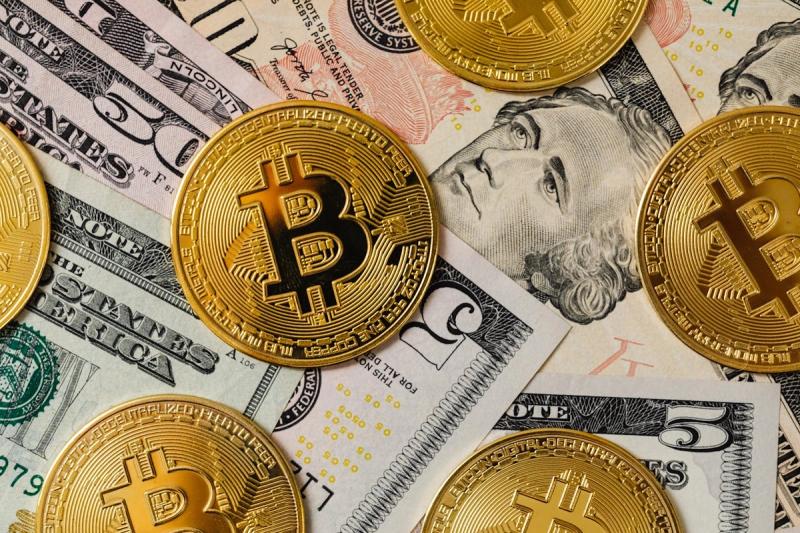
Money has always played a central role in society, and control over it has long been a subject of contention. For hundreds of years, banks have managed payments, provided loans, and acted as trusted go-betweens. Then Bitcoin arrived. A digital currency created out of skepticism toward the banking system. With Bitcoin, finance gained a new competitor: one that is decentralized, global, and operates outside traditional institutions. Now, the real question is not whether Bitcoin and banks can exist together, but who will shape the future of money. Will established financial giants continue to remain in control, or will decentralized currencies alter the rules of the game? This struggle is about more than just technology; it’s about trust, control, and who decides how value moves around the world.
The Power of Banks
Banks have long been the backbone of financial systems. They store money, process payments, and provide loans that fuel economies. They are heavily regulated, backed by governments, and for most people, they still represent a sense of security.
Why people continue to trust banks:
- Deposit insurance protects savings.
- Fraud protections and dispute systems help customers.
- Regulation adds a layer of accountability.
- A long history creates perceived stability.
But that trust isn’t unshakable. Events like the 2008 financial crisis exposed the limitations of centralized power and how those failures can ripple across the world. During that period, over 400 banks in the U.S. were closed, and the government spent approximately $700 billion on bank bailouts through the Troubled Asset Relief Program (TARP). These figures underscore the fragility of centralized financial institutions and the enduring impact of such crises.
The Promise of Bitcoin
Bitcoin offers a new way to think about money, one that doesn’t need middlemen. Instead of using banks, it relies on blockchain technology, which is a public record of every transaction. For example, imagine Jane in the United States wants to send money to her friend Maria in Spain. Typically, a bank would handle the transfer, which could take several days and incur additional fees. With Bitcoin, Jane sends the money straight from her digital wallet. The network quickly checks and confirms the transaction, allowing Maria to receive her money in minutes with lower fees and no bank involvement. This demonstrates how blockchain can facilitate faster and more independent money transfers across borders compared to traditional methods.
Key advantages of Bitcoin:
- Decentralized: no single entity controls it.
- Borderless: transactions work globally.
- Limited supply: protects against inflation.
Still, Bitcoin faces challenges: volatility, scams, and the personal responsibility of securing digital wallets. Freedom comes with risk.
Trust vs. Freedom
The clash boils down to a trade-off between trust and freedom.
- Banks: Offer security, but demand control. They can freeze accounts, block transactions, and charge fees.
- Bitcoin: Offers independence, but demands responsibility. If you lose your private keys, your funds will be lost forever.
Neither side is perfect. The question is: do we prize protection from risk or independence from authority?
Can They Coexist?
This isn’t necessarily a winner-takes-all fight. Banks and Bitcoin may evolve in tandem. In fact, we’re already seeing signs:
- Banks are experimenting with blockchain technology.
- Crypto investment options are appearing in traditional portfolios.
The future might be a hybrid, where both traditional finance and decentralized systems serve different needs.
The Cultural Divide
This debate is also cultural.
- Banks: Represent tradition, authority, and stability.
- Bitcoin: Symbolizes rebellion, innovation, and independence.
Younger people who grew up with digital technology are often drawn to cryptocurrencies, while older generations tend to trust banks more. For example, a Gen Z trader might use their phone to buy and sell cryptocurrency, driven by the prospect of high returns and the allure of decentralized finance. Meanwhile, a retiree may choose the steady security of a certificate of deposit at a bank. These differences between generations continue to fuel the debate about the future of finance.
The Future of Finance
Who will win? Probably neither outright. Instead, finance may evolve into a layered system where:
- Banks continue to provide trust, loans, and stability on a large scale.
- Bitcoin and other digital assets enable personal freedom, facilitate fast transfers, and serve as alternative stores of value.
The real question becomes: how much control are people willing to give up for freedom, or how much freedom are they willing to sacrifice for control?
Conclusion: A Battle Still Unfolding
The clash between Bitcoin and banks is far from settled. Both represent different visions of money, and each has its clear strengths and weaknesses.
- Banks = trust, regulation, and stability.
- Bitcoin = independence, transparency, and decentralization.
The future of money is unlikely to have a single winner. Instead, it will depend on how both banks and digital currencies change over time, and where people decide to put their trust.